If you’ve been searching for a lawn aeration service in Austin, TX, you may have noticed your lawn isn’t looking its best. Maybe water pools after a rainstorm, the grass seems thinner than it used to be, or fertilizer doesn’t seem to make much of a difference. While aeration is sometimes recommended for these problems, it’s not always the right solution.
At Plantscape Solutions, we believe the first step is identifying why your lawn is struggling. In many Austin-area lawns, the issue lies within the condition of the soil itself.
What Your Lawn Is Trying to Tell You
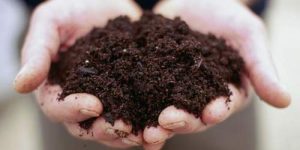
Many lawn problems look like compaction at first, which is why homeowners often assume core aeration is the solution. Common signs include:
- Thin or patchy grass
- Slow or uneven growth
- Yellowing turf
- Water pooling or running off after irrigation
- Poor drought tolerance
- Limited response to watering or fertilizer
These symptoms may be related to surface compaction, but they often point to poor soil structure and low organic matter beneath the lawn.
Where Aeration Falls Short
Core aeration removes small plugs of soil to create temporary openings for air, water, and nutrients. It can be useful on heavily trafficked sports fields built with engineered soil blends containing sand and organic matter, where surface compaction is the primary issue.
Most Austin lawns, however, grow in dense clay and chocolate loam made up of fine particles that bind tightly together and leave limited pore space. Pulling plugs creates short-term channels, but it does not change the soil’s composition, add organic matter, or improve structure throughout the root zone. As the holes close, the same drainage, restricted root growth, and limited nutrient availability often return.
Plantscape’s Natural Aeration Approach
At Plantscape Solutions, we promote natural aeration through lawn top dressing rather than mechanically removing soil plugs. Our custom blend, developed with Organics By Gosh, contains approximately 80 percent compost and 20 percent fine-washed sand. It adds organic matter, supports beneficial microbial activity, and improves growing conditions within Austin’s dense soils.
As soil health improves, roots grow deeper and create natural channels known as biopores. These openings support better water infiltration, oxygen exchange, nutrient movement, and drainage throughout the root zone, providing longer-lasting benefits than temporary aerator holes.
Over time, homeowners may notice:
- Fuller, denser turf
- Richer, more consistent color
- Stronger root growth
- Better water infiltration
- Less runoff
- Improved drought tolerance
- More efficient nutrient use
These improvements continue as organic matter breaks down and the root system expands. With regular applications, the soil can become more supportive of healthy turf, giving the lawn a stronger foundation for continued growth and greater resilience during Austin’s hot, dry conditions.
Choosing the Right Service
Aeration can be an excellent choice for lawns with significant soil compaction from heavy use or construction. However, if your lawn struggles year after year despite regular watering and fertilization, improving the soil may provide greater long-term benefits.
At Plantscape Solutions, we’ll evaluate the condition of your lawn before recommending a treatment. By identifying whether the primary issue is compaction, poor soil quality, or a combination of both, we can recommend the service that best supports healthy, resilient grass.
If you’re considering lawn aeration in Austin, TX, contact Plantscape Solutions to see if top dressing might be the better solution for your property.
